
Why and What to Buy Organic (Especially for Juicing)
Key Takeaways
Organic produce is grown without synthetic pesticides, herbicides, fungicides, chemical fertilizers, or genetic modification.
Juicing increases exposure to both nutrients and contaminants because produce is consumed in concentrated liquid form.
Certain fruits and vegetables carry higher pesticide loads and should be bought organic whenever possible.
You can use PLU codes to quickly identify whether produce is organic, conventional, or genetically modified.
Prioritizing organic produce is a long-term investment in health, especially for items consumed raw.
In one sentence:
Organic produce contains fewer harmful chemicals and more bioavailable nutrients, making it especially important for juicing and raw consumption.
What Organic Means (Clear Definition)
Organic produce is grown without:
synthetic pesticides
herbicides
fungicides
chemical fertilizers
genetic modification (GMO engineering)
Processing, soil practices, and storage must meet USDA organic standards, meaning the food is closer to its natural form and free from residues that impact health.
Organic is not a trend; it is a quality and safety standard.
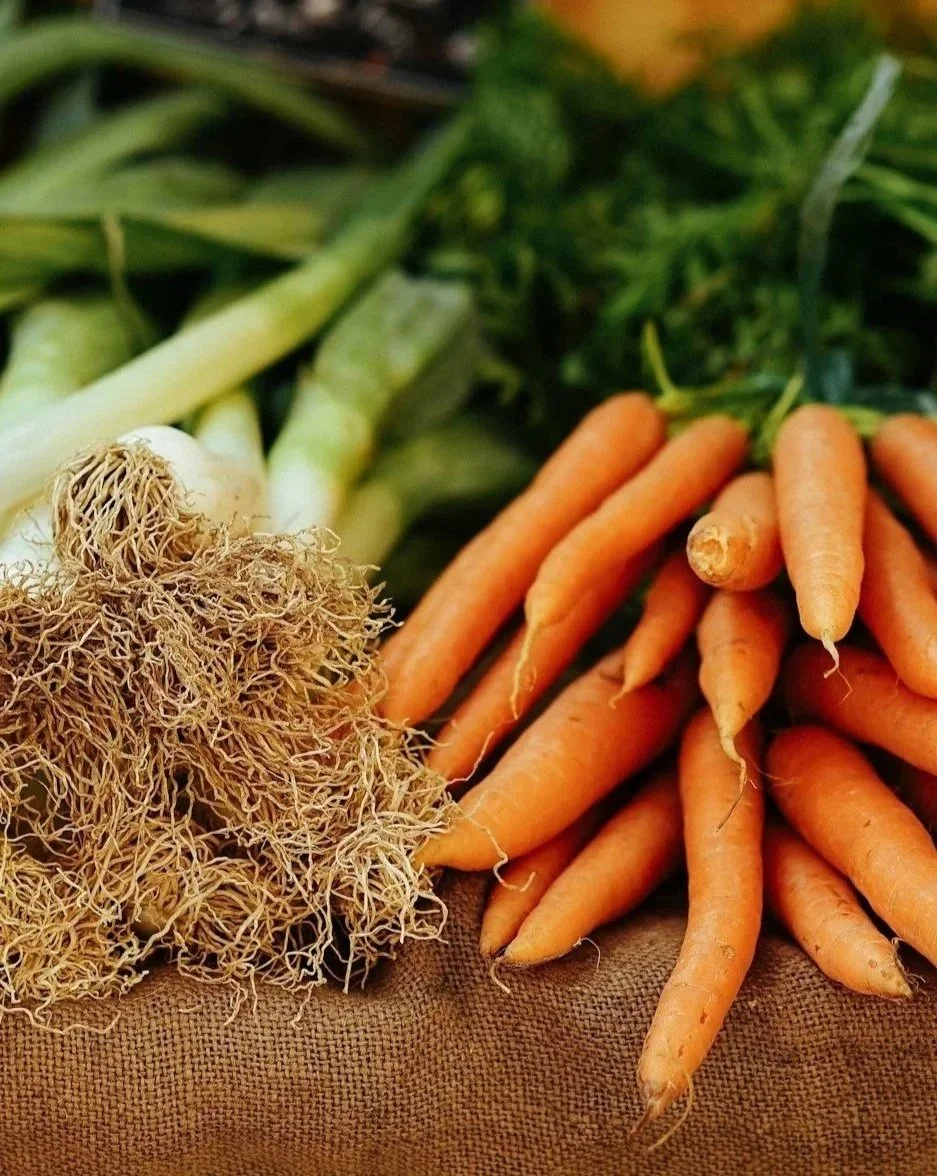
Why Organic Matters More When Juicing
A juice cleanse delivers nutrients in a concentrated liquid form. That means the body absorbs whatever is on that produce—good or bad—quickly.
Because juicing bypasses traditional digestion, any pesticide load becomes more concentrated.
This is why organic sourcing is a key factor for juice bars and home juicers, not an optional upgrade.
What to Always Buy Organic (High-Priority Foods)
The Dirty Dozen refers to foods with the highest pesticide contamination according to the Environmental Working Group.
Common examples include:
apples
celery
bell peppers
peaches
strawberries
nectarines
grapes
spinach
lettuce
cucumbers
blueberries
potatoes
These are especially important to buy organic if you plan to juice or consume them raw.
You can find updated lists from the Environmental Working Group each year.
How to Identify Organic Produce (PLU Code Guide)
| PLU Code | What It Means | How to Respond |
|---|---|---|
| 4 digits (e.g., 4020) | Conventionally grown with pesticides | Wash thoroughly or avoid for juicing |
| 5 digits starting with 8 (e.g., 84011) | Genetically modified (GMO) | Avoid if prioritizing clean, raw produce |
| 5 digits starting with 9 (e.g., 94011) | Organic, no synthetic pesticides, non-GMO | Best for juicing and raw consumption |
Why Organic Is a Long-Term Health Investment
Cheap produce can appear cost-effective now, but exposure to pesticides is linked to long-term biological stress, hormonal disruption, cellular damage, and increased disease risk over time.
Organic produce offers benefits that compound:
fewer toxins to process
cleaner cell regeneration
better gut ecosystem balance
more stable immune function
improved nutrient absorption
Investing in organic produce is ultimately investing in long-term resilience, not short-term convenience.
How to Prioritize Organic When Budget Matters
If buying everything organic is not feasible, prioritize:
Anything juiced or consumed raw
Thin-skinned produce (berries, greens, cucumbers, apples)
Dirty Dozen items specifically
Produce where pesticides penetrate (leafy greens)
Lower-priority organic items:
thick-skinned fruits
items peeled before eating
items cooked at high heat