
How to Naturally Boost Your Immune System
Key Takeaways
Daily habits—nutrition, micronutrients, sleep, stress, and connection—shape immune strength more than supplements.
Processed foods, chronic stress, and nutrient deficiencies weaken the body’s natural defenses.
Whole‑food sources of vitamins C and D, anti‑inflammatory foods, and supportive lifestyle practices strengthen immunity.
Mental and emotional health directly influence immune performance.
In one sentence:
A strong immune system comes from consistent nutrition, lowered inflammation, stress regulation, and simple, sustainable lifestyle patterns—not expensive pills or complicated protocols.
Why “Boosting Immunity” Starts With the Basics
Between high stress, disrupted routines, inconsistent sleep, and conflicting health advice, it’s easy for the immune system to get overloaded. But the fundamentals remain the same: nourish the body, reduce inflammation, and support the systems that keep defenses strong.
Your immune system is not strengthened by one action—it’s shaped by your patterns.
1. Use Food as Medicine
What you eat either supports your immune system or distracts it with inflammation and toxin processing.
Foods That Increase Inflammation
These stress the immune system and increase oxidative damage:
refined grains and sugars
industrial or hydrogenated vegetable oils
artificial sweeteners, colorings, and additives
processed meats
highly processed packaged foods
These foods demand energy from the immune system that should be used for defense and repair.
Foods That Help Reduce Inflammation
Whole foods rich in antioxidants, polyphenols, and omega‑3s help regulate immune function:
salmon and fatty fish
chia and flax seeds
turmeric and ginger
berries
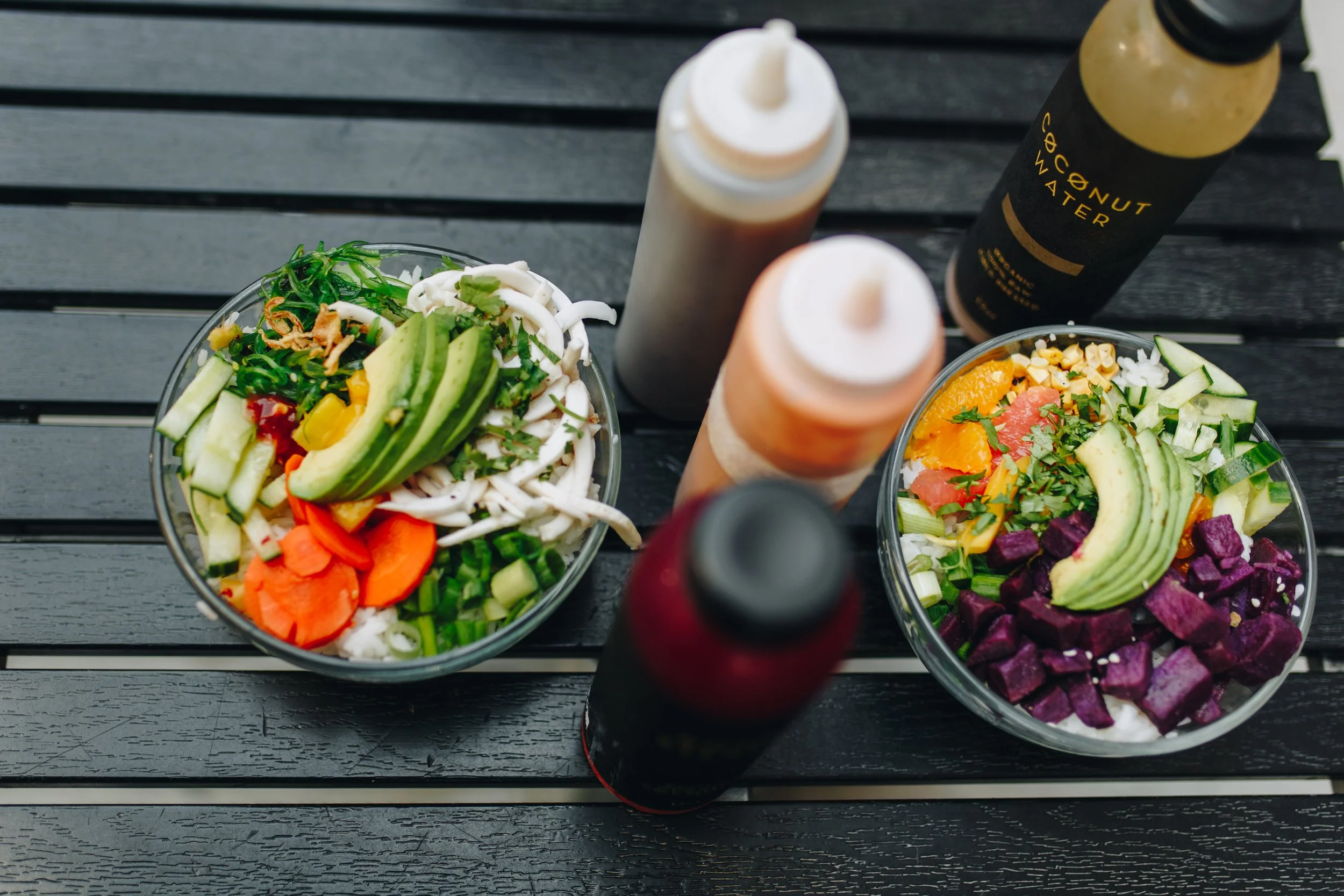
avocado
leafy greens
green tea
high‑quality dark chocolate
These nutrient‑dense foods help decrease oxidative stress and strengthen your natural defenses.
2. Increase Vitamins C and D with Natural Sources
Vitamin C
Vitamin C is a potent antioxidant that supports immune activity and cellular protection.
Whole‑food sources are ideal:
bell peppers
citrus
strawberries
kale
kiwis
Real foods offer co‑nutrients that improve absorption and effectiveness.
Vitamin D
Vitamin D regulates immune function, respiratory health, inflammation, and brain performance.
Deficiency is common due to:
limited sunlight
indoor lifestyles
winter months
northern climates
Natural sources include:
sunlight exposure
mushrooms
salmon
If sun exposure is limited, supplementation is often helpful.
3. Don’t Neglect Your Mental Health
Mental and emotional health dramatically influence immunity.
Chronic stress triggers elevated cortisol, which over time can lead to:
weakened immune response
adrenal fatigue
disrupted gut health
inflammation
headaches and muscle tension
fatigue and mood instability
The body is an interconnected system—when one part becomes overwhelmed, others compensate and eventually weaken.
How to Reduce Stress Load
Get adequate sleep
Aim for 7–8 hours of quality sleep per night.
Tracking tools (Sleep Cycle, Apple Watch, WHOOP) help you understand your patterns.
Meditate or journal
These practices help:
calm the nervous system
improve self‑awareness
identify negative thought loops
reduce emotional overload
Even 5–10 minutes a day is effective.
Find community and connection
Humans are wired for connection.
Isolation increases stress hormones and weakens emotional resilience.
Ways to reconnect:
join a book club
engage with online or local groups
get active with friends
attend wellness events or movement classes
Connection strengthens mental health, which strengthens immunity.
Comparison Table: What Strengthens vs Weakens Immunity
| Strengthens Immunity | Weakens Immunity |
|---|---|
| Whole foods rich in antioxidants and omega-3s | Highly processed foods and refined sugars |
| Natural sources of vitamins C and D | Nutrient deficiencies from poor diet or limited sunlight |
| Consistent 7–8 hours of quality sleep | Chronic sleep deprivation |
| Stress management (meditation, journaling, breathwork) | Chronic emotional stress and elevated cortisol |
| Strong social connections and supportive community | Isolation or lack of social connection |
| Movement, light exercise, and hydration | Sedentary habits and dehydration |
Bottom Line
You don’t need supplements, fancy protocols, or complicated routines.
Your immune system thrives when you:
nourish yourself with real food
reduce inflammation
restore vitamin levels
support mental health
stay connected
sleep consistently
Simple habits practiced consistently are the foundation of lifelong immune strength.