
The Brain–Gut Connection: How What You Eat Shapes How You Feel
Key Takeaway
Your gut and brain are in constant communication through the gut‑brain axis, influencing mood, cognition, and emotional balance.
Over 95% of serotonin—your feel‑good neurotransmitter—is produced in the gut, meaning your mental health depends heavily on gut health.
Foods like refined sugar, gluten, soy, and seed oils can disrupt gut bacteria, increase inflammation, and negatively affect mental well‑being.
Prioritizing whole, nutrient‑dense foods strengthens the gut microbiome and supports long‑term emotional resilience.
In One Sentence
Your mental health depends heavily on your gut health, which means what you eat directly shapes how you think, feel, and function.
The Brain–Gut Connection
Why Supporting Your Gut is One of the Most Powerful Ways to Support Your Mind
May is Mental Health Month, and there’s no better time to spotlight one of the most overlooked drivers of emotional well‑being: your gut.
Far beyond digestion, your gut is home to trillions of bacteria, chemical messengers, and neural pathways that communicate directly with your brain. This system—known as the gut‑brain axis—is so influential that scientists call the gut your second brain.
Your Gut Makes 95% of Your Serotonin
Serotonin regulates mood, happiness, sleep, and emotional stability.
Shockingly, the vast majority of it is produced in the gut, not in the brain.
When the gut microbiome becomes imbalanced or inflamed, serotonin production can suffer—leading to mood instability, anxiety, low motivation, or depressive symptoms.
How Food Affects Your Mood
The gut microbiota is shaped by every meal you eat. When the gut is nourished with whole, unprocessed foods, beneficial bacteria thrive. When exposed to processed ingredients, inflammation and dysbiosis occur—directly impacting mental health.
Foods That Disrupt Mental Health
- Refined Sugars: Spike and crash blood sugar, destabilizing mood.
- Gluten: Can trigger inflammation and worsen anxiety or depression for some individuals.
- Soy: Contains phytoestrogens that may disrupt hormone balance.
- Seed Oils: High omega‑6 content promotes systemic inflammation.
- Highly Processed Foods: Feed harmful gut bacteria and disrupt microbiome diversity.
Foods That Support the Brain–Gut Axis
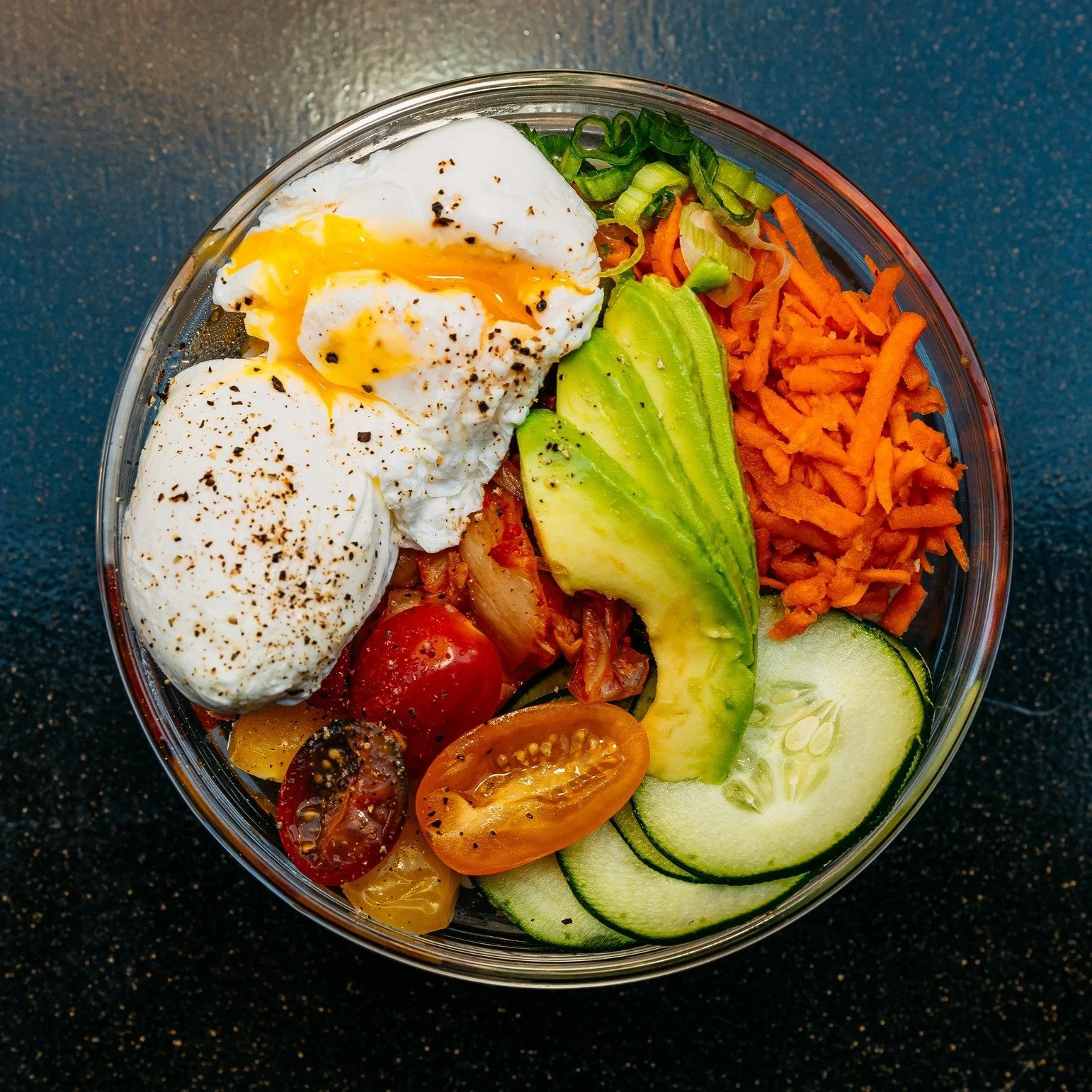
- Leafy Greens & Veggies: Support microbiome diversity.
- Low-Sugar Fruits: Provide antioxidants without sugar spikes.
- Grass‑fed & Pasture‑Raised Proteins: Support neurotransmitter formation.
- Healthy Fats (avocado, olive oil, coconut): Reduce inflammation.
- Fermented Foods: Add beneficial probiotics to the gut.
Why Mental Health Depends on Gut Health
Here’s why avoiding inflammatory foods matters for emotional well‑being:
Gluten → Gut Inflammation
Gluten can irritate the gut lining, interfering with nutrient absorption and triggering systemic inflammation—both of which affect mood regulation.
Soy → Hormone Disruption
Soy’s phytoestrogens and heavy processing can throw off hormone balance and mood stability.
Seed Oils → Chronic Inflammation
Corn, soybean, canola, sunflower, and safflower oils are high in omega‑6 fatty acids that promote inflammation—strongly linked to anxiety and depression.
Refined Sugar → Mood Swings
Sugar floods the bloodstream quickly, causing mood highs followed by crashes and irritability.
Nourish Your Mind by Nourishing Your Gut
Mental wellness begins in the gut. By choosing whole, nutrient‑dense foods and avoiding inflammatory ingredients, you support:
more stable mood
better emotional resilience
improved cognitive function
less anxiety and irritability
healthier stress response
At Raleigh Raw, we're committed to making this easier with foods that are gluten‑free, soy‑free, dairy‑free, additive‑free, and seed‑oil free—because when your gut feels good, your mind follows.
Bottom Line
Your gut and brain are in constant conversation—support your gut with clean, whole foods, and you support your mood, clarity, and mental well‑being every single day.